Topic
Old Loyalties
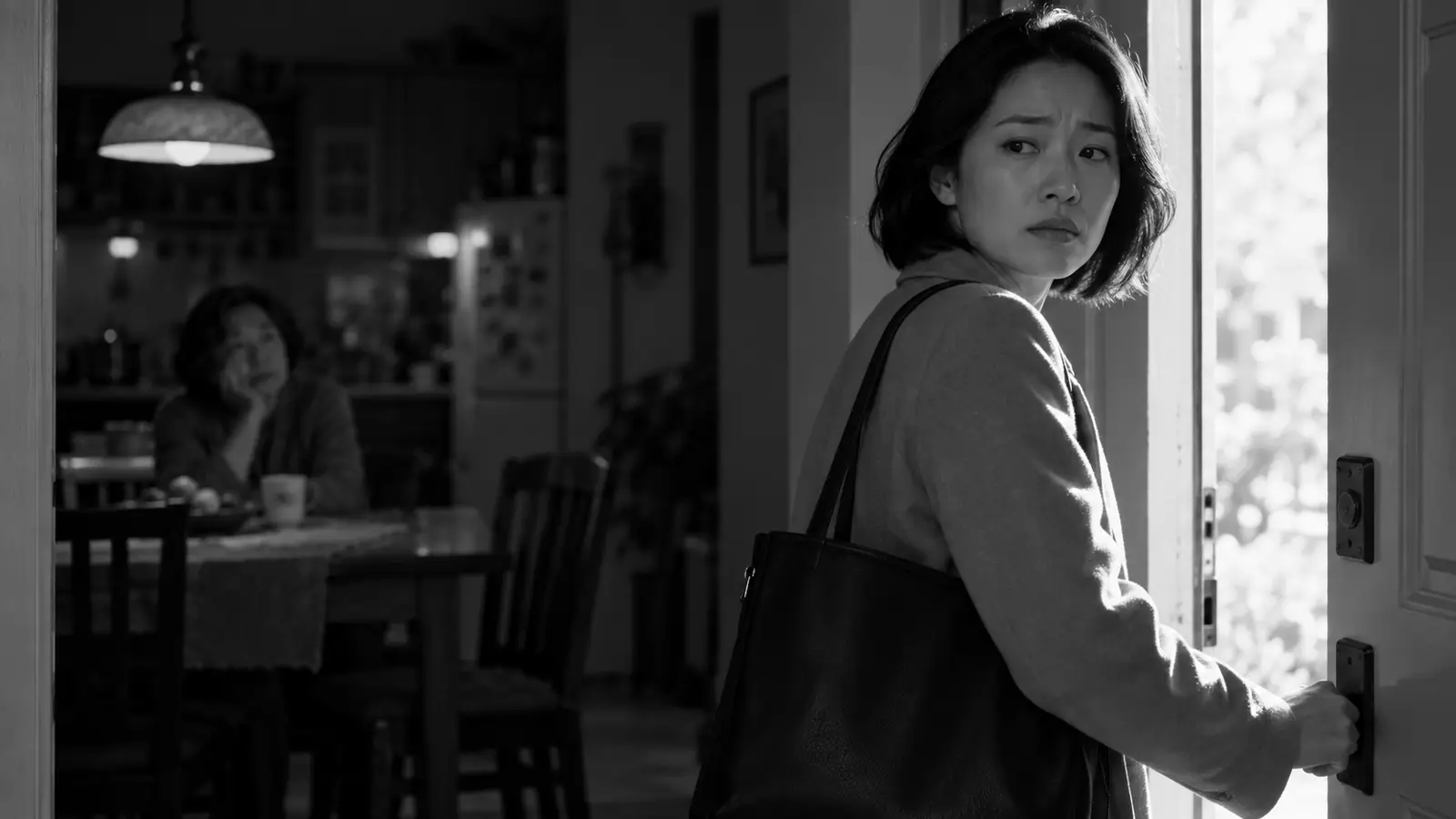
Invisible loyalty: when being happy feels like betrayal
Why some women sabotage good relationships: how unspoken loyalties to a parent keep you repeating their story, the signs to look for, and how to love your family without living their life.
11 min read
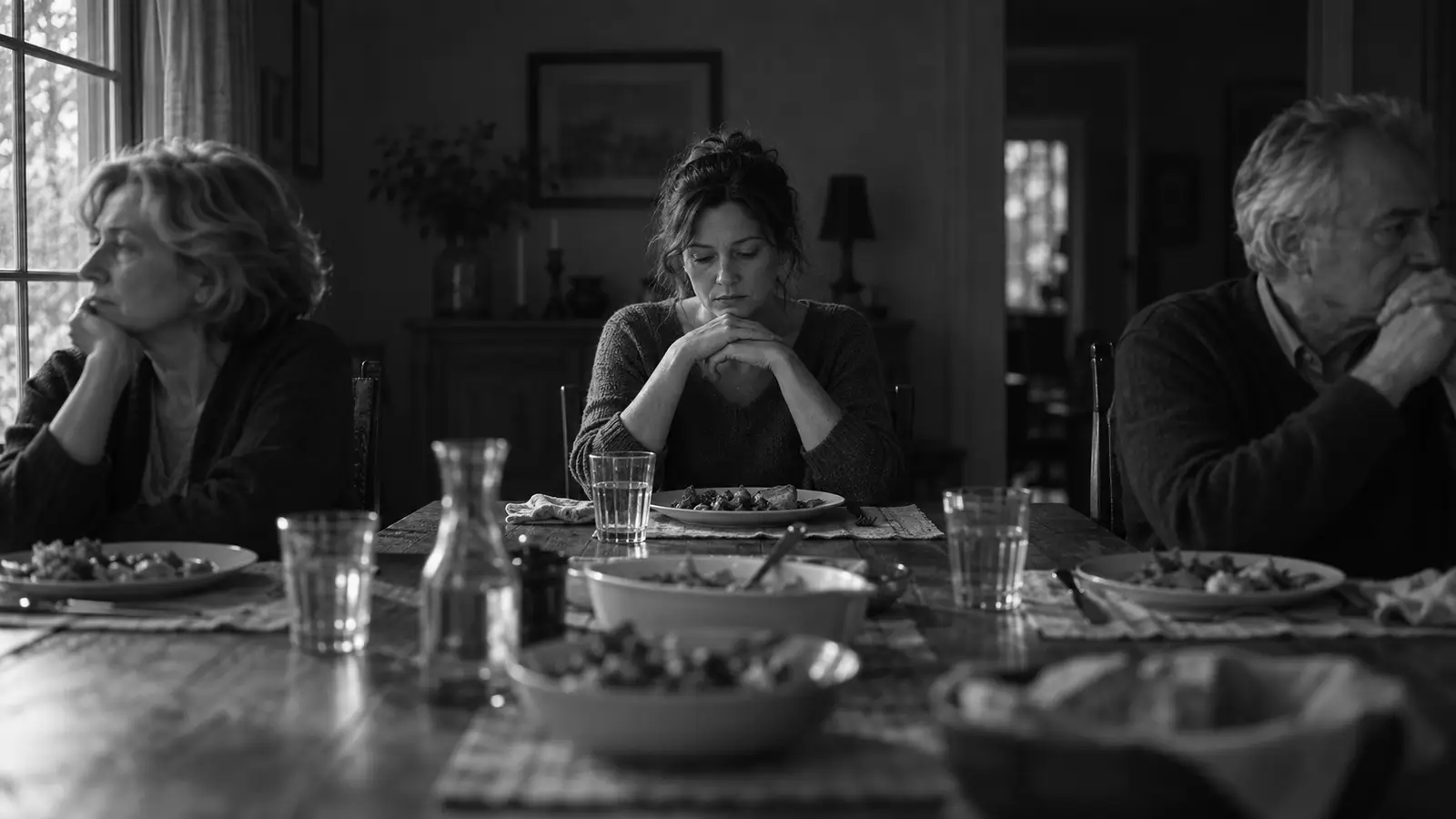
Caught between Mom and Dad: how it follows you into love
Growing up in the middle of your parents' conflict can teach you to keep the peace at any cost. How triangulation shows up in adult relationships — and how to step out of the middle.
11 min read

The parentified daughter: signs, and how it shows up in love
If you became your parent's caretaker, confidant or peacekeeper as a child, it can quietly shape your adult relationships. The signs of parentification, its hidden costs, and how to step out of the role.
11 min read
Some of the strongest forces in a woman's love life are promises she never remembers making. A daughter watches her mother endure an unhappy marriage and quietly decides, I won't leave you alone in this. A girl caught between fighting parents learns that her job is to keep everyone together. A child who comforts a struggling parent concludes that her value lies in what she carries.
Years later, those promises are still running. They show up as guilt when a relationship goes well, as a pull toward partners who look like a parent's partner, as an inability to put her own needs first. We call these old loyalties.
Where the idea comes from
In the 1970s, the family therapist Ivan Boszormenyi-Nagy and his colleague Geraldine Spark described what they called invisible loyalties: the unspoken ways children stay faithful to their families, not through words but through the lives they allow themselves to live. They observed that children are deeply motivated to stay connected to their family's story — sometimes at great cost.
Related ideas appear in other parts of family-systems thinking. Psychiatrist Murray Bowen described triangulation, in which tension between two family members is absorbed by a third — often a child. Researchers studying children of high-conflict and divorced families have found that being pulled into parental conflict, rather than conflict alone, is linked with more stress in young people. And psychologists studying parentification have described what happens when children take on adult emotional roles in the family.
These are lenses for understanding, not diagnoses. But many women find that they explain patterns nothing else could.
How old loyalties show up in love
Old loyalties rarely feel like loyalties. They feel like personality, bad luck or "just how I am." Some of the most common forms:
- Not allowing yourself to be happier than your mother — feeling uneasy, guilty or restless when love is calm and good.
- Repeating a parent's relationship — different partners, the same story you watched growing up.
- Carrying a parent's feelings — still angry on your mother's behalf, or still trying to win your father's approval.
- Taking a side that was never yours — distrusting all men because of what one man did to someone you love.
- Not leaving — staying emotionally or physically available to a parent in a way that leaves little room for your own life.
- Keeping the peace at any cost — avoiding conflict with a partner because, at home, conflict was dangerous.
None of these make you broken. They make you loyal. The love behind them is real — it's simply expressed in a way that keeps you small.
From blind loyalty to chosen loyalty
The goal isn't to stop loving your family or to blame anyone. Most parents did what they could with what they had, often while carrying wounds from their own parents. The goal is to move from a loyalty you live out unconsciously to a loyalty you choose.
There's a world of difference between:
- "I stay unhappy so I don't abandon you," and
- "I honor what you went through, and I choose a different life."
The second is still loyalty. It just lets you keep the love without inheriting the pain.
What helps
Loosening an old loyalty usually involves a few gentle steps:
- Naming it — asking whose story you're repeating, and whose pain you're carrying.
- Noticing the guilt — and recognizing that guilt, here, is often just the feeling of breaking an old rule.
- Honoring what a parent carried — without needing to carry it yourself.
- Handing back what isn't yours — in a letter you never send, or in a quiet sentence: "This belongs to you. I love you, and I'm putting it down."
- Finding new ways to stay connected — through shared values, gratitude or carrying forward a parent's strengths, rather than shared suffering.
If your family history includes abuse, violence or addiction, honoring the bond never means accepting harm. A licensed therapist can help you navigate those relationships safely.
Where to start
Begin with invisible loyalty: when being happy feels like betrayal. If you grew up between fighting parents, read caught between Mom and Dad; if you became a parent's caretaker, read the parentified daughter. The free love root quiz shows whether a family loyalty — The Loyal Daughter or The Bridge — is the strongest root in your love life.
From Roots to Love offers coaching and education, not therapy. If your family history includes abuse or trauma, a licensed therapist can offer support we can't. In a crisis in the US, call or text 988.